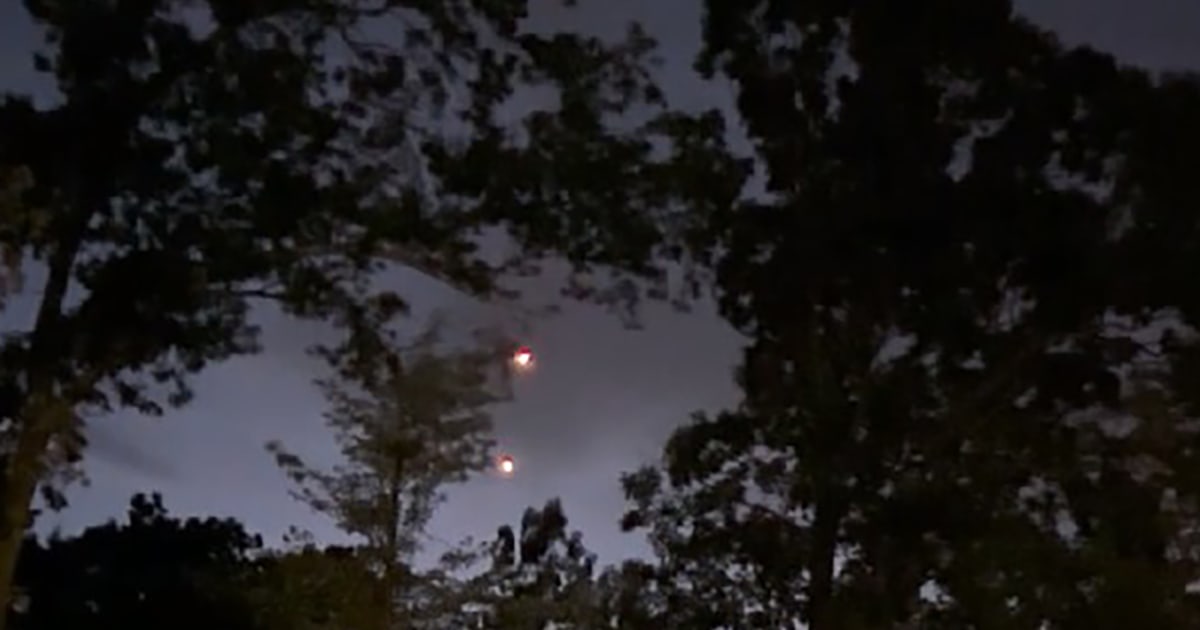
NBC News' companion report emphasizes the geographic spread inside the third batch of declassified UFO files: sightings around the world, not only incidents inside U.S. airspace, were part of the investigated record.
That international angle is significant. UAP reports often get discussed through American military politics, but the underlying phenomenon, whether ordinary or unexplained, is reported across borders, oceans, bases, and civilian skies.
A worldwide file set also complicates interpretation. Different countries have different air-traffic systems, military practices, radar coverage, weather conditions, and reporting cultures. A case in one region may have very different ordinary explanations than a case elsewhere.
The report's value is that it widens the reader's map. Instead of treating UAP as a single American mystery, it shows the archive as a collection of incidents shaped by geography, sensors, witnesses, and local institutions.
The hard work comes after publication. Global sightings need case-by-case review: original location, time, sensor data, nearby aviation, astronomy, and whether the file preserves enough information to move beyond a strange description.